Patient data scattered across disconnected systems
What it is costing you
Duplicate records, manual re-entry, clinical decisions made on incomplete information
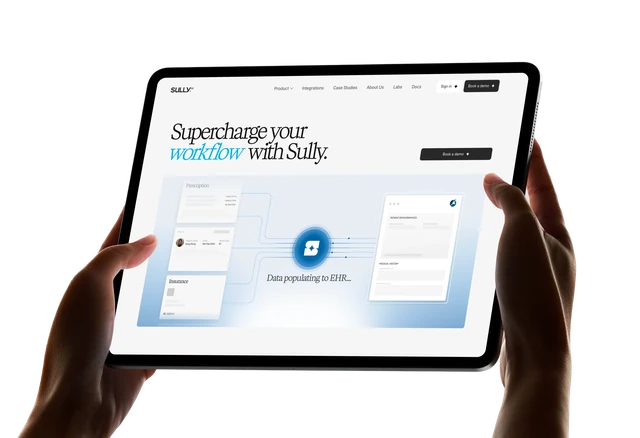
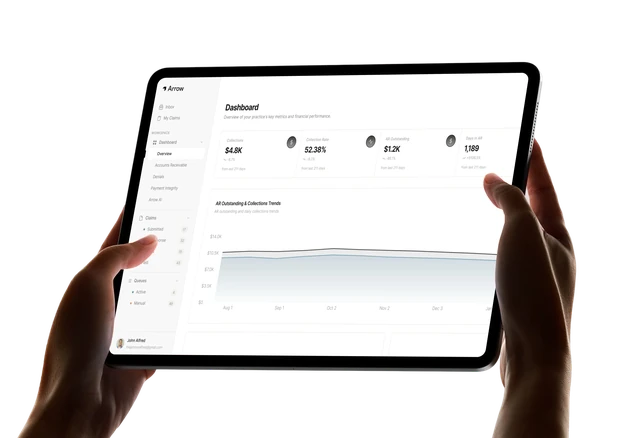
MindInventory builds healthcare software for clinicians, hospitals, payers and healthtech companies, with a team that works only on healthcare engagements and is never shared across unrelated industries. Our work includes the AI clinical workforce behind Sully.ai and the denial automation platform behind ArrowHQ.
Tell us the roles and skills you need. We'll share matched profiles the same day, you interview the ones you like, and approved engineers start the following day.
Healthcare platforms delivered end to end
Healthtech domain experts
Years of software engineering expertise
Duplicate records, manual re-entry, clinical decisions made on incomplete information
Documentation hours, staff attrition, fewer patients seen
Denials, delayed reimbursement, revenue leaking out of the cycle
Hardware ceilings, rising maintenance cost, disaster-recovery exposure
Breach exposure, regulatory penalties, enterprise deals that stall in security review
Longer waits, staff overtime, capacity you are paying for and not using
Your existing systems run daily operations. Replacing them is not the project. Connecting to them is.
Every denial you work twice is margin you have already spent. We automate the claims workflow across clearinghouses, payer portals and EHR systems.

You are already building. What you need is engineers who already know the domain, and who settle the regulatory and clinical validation questions before an investor’s technical due diligence does.

Off-the-shelf software doesn't always fit your operational needs. Tell us how your organization works, and let's explore a custom solution designed around your requirements.
Slow or disconnected EHR or EMR records lead to lost clinician hours and irregular patient records. We build EHR/EMR systems around your clinical workflows with interoperability (HL7/FHIR) built in, so patient data moves cleanly between departments and external providers instead of getting trapped in silos.
Make healthcare easier to access with telemedicine and remote care solutions. Give patients and providers access to virtual consultations, remote monitoring, digital appointments, and secure communication. Connect with the healthcare systems your teams already use for smoother, more connected care.
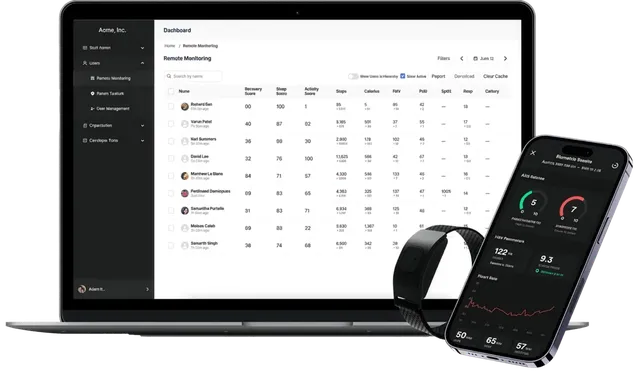
Without visibility between visits, preventable complications in chronic-care patients often go unnoticed until they become emergencies. We build remote monitoring software that pull real-time vitals and activity data from wearables and connected devices, so care teams can intervene early instead of reacting after the fact.
Diagnostic errors and clinician burnout both traces back to the same root cause too much unstructured data and too little time. We build AI-powered decision support tools that surface risk and automate documentation in real time, cutting administrative load without replacing clinical judgment; one deployment scribed 12.5M+ minutes of conversation on a 100% HIPAA-compliant infrastructure.
An AI medical scribe converts clinician-patient conversation into structured clinical documentation in real time. MindInventory built the documentation engine behind an AI doctor's copilot that has scribed 12.5M+ minutes of conversation on HIPAA-compliant infrastructure.
Manual appointment booking and record requests overload front-desk staff and frustrate patients who expect self-service. We build patient portals that unify scheduling, record access, and secure messaging in one place, so routine requests get resolved without a phone call.
Patients often need quick answers, symptom guidance, or appointment to help outside clinic hours, and staff can't be available around the clock. We build AI-driven chatbots for symptom checking, appointment scheduling, and patient support, so common questions get resolved instantly instead of adding to your front-desk or call-center load.
Chronic-condition patients need ongoing coordination between visits, not just data collection, or preventable complications get missed until they become emergencies. We build care management platforms that turn monitoring data into coordinated action, connecting care teams, patients, and treatment plans in one place instead of leaving follow-up to memory and phone calls.
Disconnected systems across departments mean no single source of truth for beds, staff, or supplies. We build hospital management platforms that unify patient records, scheduling, and resource tracking, so operational decisions run on live data instead of yesterday's spreadsheet.
Manual claims handling slows reimbursement and quietly drains revenue through errors and rework. We build AI-driven billing and claims platforms that automate coding, verification, and denial management, so claims move faster and cheaper proven with a 20% reduction in processing time and 33% lower claim costs for one client.
Bottlenecks in scheduling and bed turnover translate directly into longer wait times and staff overtime. We build AI-powered flow and scheduling systems that route patients and resources using real-time data, so capacity planning runs prediction instead of guesswork.
Manually matching the right caregiver to the right shift doesn't scale across multi-site or home-care operations. We build scheduling platforms with skill-matching, credential tracking, and shift automation, so staffing runs on system logic instead of spreadsheets and phone calls.
Leadership teams often make operational and clinical decisions on outdated or incomplete data, because reporting takes weeks to compile manually. We build analytics and BI platforms that turn clinical and claims data into real-time dashboards, so decisions run on current data instead of a report that was accurate a month ago.
Medicare Advantage platforms handle risk adjustment, HEDIS and Stars quality reporting, core administration and health management for health plans and risk-bearing providers.
Slow claims processing hurts both the bottom line and member satisfaction at the same time. We build cloud-based, HIPAA- and GDPR-aligned claims and policy platforms with automated risk assessment, so resolution happens in days instead of weeks; one platform we built delivered 70% faster claim resolution.
Software that diagnoses, monitors, or informs treatment decisions falls under FDA Software as a Medical Device (SaMD) regulation, and non-compliant builds risk delayed approval or market withdrawal. We build medical device and SaMD software engineered to regulatory classification requirements from the start, so compliance is designed in, not retrofitted after a submission gets flag.
Behavioral health carries an added layer of compliance (42 CFR Part 2) beyond standard HIPAA, and generic healthcare software often isn't built to handle it. We build mental and behavioral health platforms, from teletherapy to AI-supported support tools, engineered around that stricter privacy standard from the start, so sensitive records stay protected without limiting access to care.
Imaging data trapped in disconnected systems slows both diagnosis and downstream care, especially when radiology and referring providers can't access the same images in real time. We build PACS and RIS solutions that store, route, and analyze medical imaging data, connecting radiology workflows to the rest of a patient's care instead of leaving images siloed in one department.
Every project below is a production system with a named client, and the numbers come from after launch rather than from a pilot. Most are still running, and several have been with us for years.
Whether you're building a new healthcare platform or upgrading an existing system, let's discuss your requirements, technical challenges, and development goals.
If you are evaluating a partner headquartered outside the United States, this is the question you are actually weighing. The whole answer is below.
BAA and NDA signed before we see PHI, sample data or production systems. Before kickoff, not during.
Work happens inside access-controlled environments provisioned for your engagement, never on local machines holding production data.
You know who has it. When someone leaves the engagement, access ends that day.
Most development does not need real patient data, and we provision the environment that way by default.
One project manager with regulated healthcare delivery experience, accountable for the engagement and reachable directly.
Planned daily overlap with US, UK and EU business hours. Stand-ups, clinical reviews and stakeholder sessions happen inside your working day, not through end-of-day handovers.
To make ownership clear, here’s what transfers to you
A logo slide and one medical app among unrelated projects
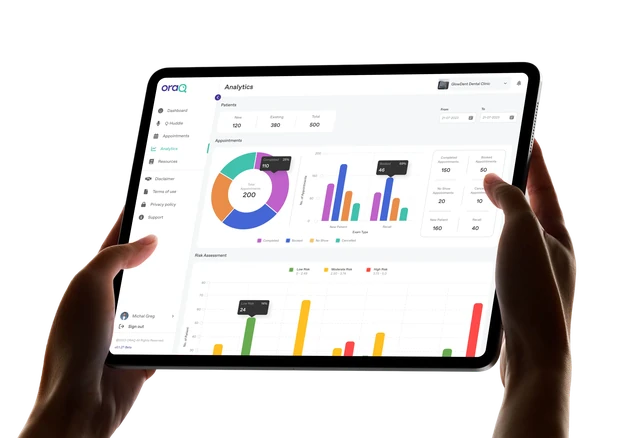
65+ healthcare platforms end to end. Named clients you can look up: Sully.ai, OraQ AI, ArrowHQ, Biostrap, Passio.ai
"We can sign one"
A standard BAA executed before any PHI access, on every applicable engagement
"We support HL7 and FHIR"
Epic, Oracle Health (Cerner), athenahealth, MEDITECH, plus five dental practice management platforms in live production
"We follow HIPAA best practices"
ISO 13485, HITRUST, SOC 2 Type II, ISO 27001, ISO 42001, ISO 9001. Certificates and scope statements provided on request
QA engineers running test scripts
Actual clinical and administrative staff, testing every workflow at real pace, before launch
Ownership discussed at project close
Assigned to you in the service agreement. Code, model weights, pipelines and docs. We keep no retained components
"We’ll assign our best available people"
A named team you interview and approve. Our OraQ team has run since 2022
A curated quote
Direct reference calls arranged on request
Our engineers are not just good at code. They understand how healthcare actually works, and that is the part that takes years to learn and cannot be picked up from a requirements document.
Who has mapped clinical and payer workflows before
Who designs to HIPAA and HL7/FHIR by default
Who have shipped production healthcare systems
Experienced in clinical validation, where the build needs them
Who tests at clinical pace, not just against scripts
Who runs BAA-covered environments
Who has delivered regulated healthcare work before
You Interview Them. You Approve the Team Before Kickoff.
From technology selection to compliance and system integrations, getting the foundation right matters. Tell us about your idea, and our team will help you map out the next steps.
Every client on this page is named. Look them up, read the outcomes, and ask us for a reference call about the hardest six months rather than the easiest.
126 experts working only on healthcare engagements, never shared across unrelated industries. Healthcare software fails most often when it is built by people fluent in code and illiterate in clinical context.
ISO 13485 and HITRUST together mean a health system can begin onboarding us without starting a six-month security review from scratch.
Custom software is not always the right answer. If configuring an existing platform meets your needs better, we will say so during scoping. We have talked clients out of builds, and several came back later with the right project.