Software Modernization Services











Transforming Legacy Systems into Competitive Advantages
Software modernization is an activity of upgrading legacy systems, technologies, and infrastructures to meet the demands of today and tomorrow’s world. MindInventory provides software modernization services to modernize your existing systems without having to replace business-critical systems.
Modernize legacy software solutions with no need to start from scratch.
Upgrade software architecture to improve scalability, maintainability, and long-term flexibility.
Migrate solutions to the cloud for better performance, resilience, and infrastructure efficiency.
Modernize databases and data infrastructure to improve accessibility, reliability, and decision-making.
Enable seamless integrations through modern APIs and connected digital ecosystems.
Refresh outdated user interfaces to deliver intuitive, responsive, and engaging user experiences.
Optimize existing technology investments by extending the value of your current software assets instead of replacing them entirely.
Prepare your software for future growth with modern technologies, scalable architectures, and AI-ready foundations.
Software Modernization Services for Enterprises Ready to Scale
Software Modernization Consulting Services
Legacy Software Modernization Services
Infrastructure Modernization Services
UI/UX Modernization Services
Cloud Modernization & Migration Services
Data Modernization Services
Architecture Modernization Services
Ongoing Modernization Support
The Longer You Wait to Modernize Your Software, the More It Costs to Catch Up
Look at How We Modernized Legacy Systems for Leading Brands
KFC's System Improving Food Ordering Experience By 85%
We modernized KFC’s solution, boosting user experience and streamlining food delivery across platforms. The brand experiences a 20% boost in sales, 30% faster order processing, and a significant boost in user experience after modernization.

Nutristar's Software with Serverless Architecture-Based System Boosting Revenue by 2x
We upgraded Nutristars’ traditional CMS into a serverless-architecture-based system, improved UX support, and integrated offline and online store systems. After this modernization, Nutristar experiences 2x revenue growth and 100K downloads.

Patient Management System Speeding Up Clinical Documentation by 80%
We developed and upgraded this patient management system for a seed-funded healthcare startup based in Silicon Valley. The very solution delivers 80% faster clinical documentation and 50% better care coordination, resulting in expected ROI.
Our Software Modernization Solutions for Common Legacy System Challenges
Monolithic to Microservices Transformation
Legacy-to-Cloud Transformation
Technical Debt Reduction
AI-Ready Software Modernization
Enterprise Application Replatforming
Performance & Scalability Transformation
Business-Critical System Modernization
Security & Compliance Transformation
Industries We Serve with Software Modernization Services
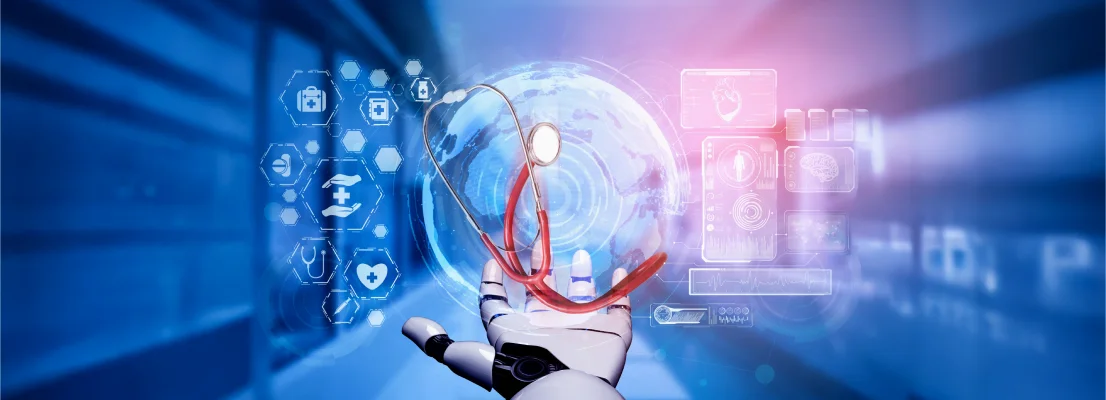
Healthcare System Modernization

Fintech Software Modernization

Retail Software Modernization

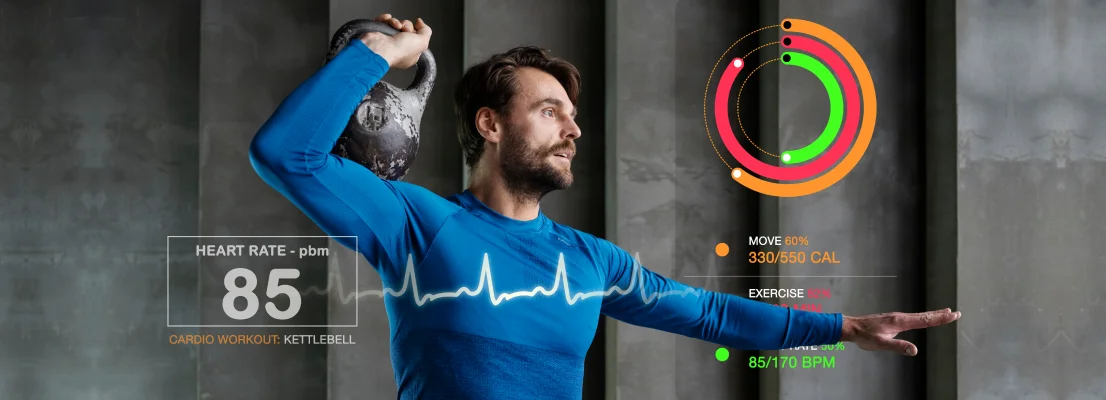
Sports Application Modernization
Real Estate Software Modernization

Education Software Modernization

Technologies We Employ to Unlock Legacy System Transformation
Cloud Computing
AI Development
ML Development
Data Engineering
Business Challenges We Solve Through Software Modernization

Software Modernization Strategies We Implement
When Your Legacy Software Needs Modernization
Find Out What Your Legacy System Is Really Costing You
What Makes MindInventory a Trusted Software Modernization Partner



 ISO 9001:2015
ISO 27001:2022
ISO 9001:2015
ISO 27001:2022
 SOC 2 Type II
 HIPAA Compliance
Software Modernization Process We Follow
-
Clear modernization roadmap and scope

-
Lower-risk execution through phased implementation
-
Regular progress updates and transparent communication
-
Security, testing, and validation at every stage
-
Controlled migration with business continuity in focus
-
Direct collaboration with technical experts
Legacy System Assessment
Modernization Roadmap
Solution Design
Incremental Implementation
Testing and Validation
Software Deployment
Optimization and Support
Technologies We Use to Modernize Legacy Software
- React
- Angular
- Vue.js
- HTML5
- CSS3
- JavaScript
- TypeScript
- Tailwind CSS
- Node.js
- Python
- Express.js
- Laravel
- Go
- PHP
- iOS
- Android
- Swift
- Kotlin
- React Native
- Flutter
- Unity ML-Agents
- ChatBot
- TensorFlow
- DialogFlow
- PyTorch
- Scikit-learn
- Microsoft Azure ML Studio
- IBM Watson Studio
- MySQL
- MongoDB
- PostgreSQL
- Firebase
- SQLite
- Microsoft SQL Server
- Amazon RDS
- AWS
- Azure
- Google Cloud
- Docker
- Kubernetes
- Jenkins
- GitLab
- OpenShift
- Ansible
- Bitbucket
- Github
- Puppet
- Terraform
- Chef
- Power BI
- Tableau
- Qlik
- Google Data Studio
- Domo
- Apache Superset
- SAS Visual Analytics
- Unity Analytics
- Jira
- Selenium
- Git
- Postman
- Redmine
- Cucumber
- Apache Maven
- JMeter
- Appium
- TestComplete
- LoadRunner
- Trello
- Slack
- Asana
- VSCode
- Atom
Why Enterprises Trust MindInventory for Software Modernization
What Our Clients Have to Say About MindInventory

Our business scaled faster with quicker onboarding and installation processes enabled by MindInventory. Their team demonstrated excellent project management skills, and we were particularly impressed with their developers. Communication was smooth and efficient through virtual meetings.

CEO, Navatech Group Limited
The project was delivered on schedule, with additional resources provided at no extra cost. MindInventory ensured strong customer success follow-ups and maintained effective communication throughout. Their dedication and client-focused approach truly set them apart.

I have had the pleasure of working with MindInventory for more than a year now on our biggest design challenges of creating a full trading app for both web and mobile. From the very start, the collaboration was smooth and effective. The team really understood our vision, and they quickly aligned with our high standards. Together, we designed a platform that feels intuitive, reliable, and engaging for our users. I highly recommend MindInventory to anyone looking for strong design.

A dream was turned into reality with an app that makes it easy for managers and colleagues to share meaningful appreciation at work. The MindInventory team truly listened, understood the vision, and provided flexibility, creativity, and unbeatable project planning. Within months, the app came to life and is now being used and loved.

Cost-effective services from MindInventory made it easier to scale the business efficiently. The team maintains a timely and communicative process using tools like Jira and Slack. Their reliability and ability to quickly find the right resources are highly appreciated.
A Laravel admin panel and an iOS check-in app were developed with exceptional efficiency, exceeding our expectations. MindInventory consistently met deadlines and completed everything within the allocated hours, ensuring a smooth launch. They are a high-quality and flexible team, with every developer able to meet requirements and communicate effectively.






Frequently Asked Questions
Looking for other Services?
Explore our other related services to enhance the performance of your legacy system.
Mindful Insights on Software Modernization
See our latest insights to know the latest thinking of our experts on the topic.
Enterprise Application Modernization: 2026 Strategy and Implementation Guide
Imagine a high-growth fintech company still running its core transactions through a server installed in 2012. To the outside world, they look modern. But internally, the engineering team is terrified…
AI in Legacy System Modernization: Overcoming Challenges, Driving Growth
66% of businesses still rely on legacy systems, risking stagnation in today’s digital-first economy. Modernizing legacy systems is no longer just about efficiency but a survival strategy to retain market…
Things to Consider When Modernizing Legacy Systems in Healthcare
Legacy systems aren’t just inconvenient; they can silently destroy your margins, compliance, and care quality. They may cause your hospital to incur significant costs from data breaches, maintenance, and compromised…