Application Modernization Services

Modernize legacy applications to improve performance, strengthen security, and support evolving business needs without rebuilding everything from scratch. MindInventory provides application modernization services to help businesses upgrade outdated technologies, improve application architecture, streamline workflows, and integrate modern capabilities while preserving valuable business logic. From application assessment and code refactoring to cloud migration, re-architecting, and complete application redevelopment, we help you choose the right modernization strategy based on your technical requirements, business goals, and long-term scalability needs.
Application Modernization Services

Trusted By Global Clients, Including Fortune 500 Companies

Our Application Modernization Services

We provide application modernization services to help businesses improve legacy software, overcome technical limitations, and adapt applications to evolving business needs. From application assessment and code improvements to cloud migration, architecture redesign, and system integration, we modernize existing applications to improve security, maintainability, performance, and scalability.
  • Application Modernization Consulting

    We assess your application’s architecture, technology stack, dependencies, performance, security, and maintenance challenges. Our application modernization consulting services help identify technical risks, prioritize improvements, and define a modernization roadmap aligned with your business goals, budget, and future needs.
  • Legacy Application Modernization

    We modernize outdated business applications that have become difficult to maintain, extend, or integrate. Our team addresses obsolete frameworks, unsupported components, technical debt, and compatibility issues while preserving essential business logic and workflows.
  • Application Cloud Migration

    We migrate existing applications from on-premises environments or legacy hosting platforms to suitable cloud or hybrid infrastructure. Our services cover migration planning, environment configuration, dependency management, data transfer, and application validation to support a reliable transition.
  • Application Architecture Modernization

    We improve application architectures that limit performance, scalability, integration, or release flexibility. Our work includes modularizing tightly coupled components, improving service boundaries, and adopting maintainable architectural patterns suited to your application’s requirements.
  • Application UI/UX Modernization

    We redesign outdated application interfaces, simplify user journeys, improve accessibility, and optimize workflows across supported devices. Our application UI/UX modernization services make existing software easier to use while preserving the functionality employees, customers, and business partners rely on.
  • Application Integration and API Modernization

    We modernize how legacy applications exchange data with CRMs, ERPs, payment gateways, third-party platforms, and internal systems. Our services include API development, integration upgrades, authentication improvements, and more reliable communication between connected applications.
  • Application Security Modernization

    We address security weaknesses caused by outdated dependencies, unsupported runtimes, legacy authentication, and insecure configurations. Depending on your requirements, we improve access controls, remediate vulnerabilities, strengthen data protection, and incorporate security testing into modernization.
  • Application Maintenance and Optimization

    We improve the ongoing stability and performance of modernized applications through monitoring, performance tuning, defect resolution, dependency updates, and continuous technical improvements. Our application maintenance services are tailored to your software’s operational requirements and long-term goals.

Choose the Right App Modernization Approach

The right application modernization approach depends on your existing software architecture, technical debt, business priorities, and long-term goals. While some applications need targeted improvements, others require architectural changes or complete replacement. We assess your system and recommend the most suitable approach to improve maintainability, scalability, performance, and operational efficiency while minimizing modernization risks.

Rehosting icon

Rehosting

Rehosting moves your existing application to a new infrastructure environment with minimal changes to its code or architecture. We use this approach when you need to move away from outdated hosting or hardware while preserving existing application functionality and reducing infrastructure-related constraints.

Replatforming icon

Replatforming

Replatforming moves your application to a modern platform with targeted changes to its runtime, configuration, database, or deployment environment. We use it to improve infrastructure compatibility and operational efficiency without the complexity of a complete application redesign.

Refactoring icon

Refactoring

Refactoring improves the internal structure of your application’s code while preserving its intended behavior. Our experts address technical debt, duplicated logic, and maintainability issues to simplify future enhancements and create a cleaner foundation for ongoing development.

Re-Architecting icon

Re-Architecting

Re-architecting transforms the fundamental structure of your application to overcome limitations in scalability, resilience, deployment, and integration. We redesign the architecture using suitable modern patterns, such as modular systems, service decomposition, or cloud-native approaches, to support evolving business requirements.

Rebuilding icon

Rebuilding

Rebuilding involves developing a new application when legacy technologies, accumulated technical debt, or architectural constraints make incremental improvements impractical. We recreate essential functionality using modern technologies while preserving valuable business workflows and supporting future growth.

Replacing icon

Replacing

Replacing involves transitioning from an existing application to a modern solution when continued maintenance or modernization is no longer practical. We help identify suitable replacement options and plan the transition around your business requirements, system dependencies, data integrity, and long-term technology goals.
Ready to Upgrade Your Systems Seamlessly with Our Legacy Software Modernization Services?

Don’t wait until your systems become a liability. Get in touch with us to take the first step towards a modern, efficient, and secure application environment

Mobile app screens built with Flutter

Our Featured Application Modernization Success Stories

Explore how we deliver measurable business outcomes through scalable, high-performance SaaS solutions built for real-world impact.

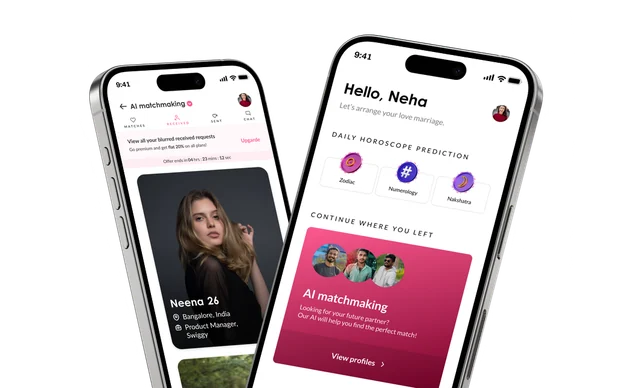
Helped Betterhalf modernize its app to achieve 4M+ downloads

We collaborated with Betterhalf to develop an AI-driven matchmaking app that delivers personalized recommendations. The app has achieved 4M+ downloads and driven 25% revenue growth, helping users build meaningful relationships.

  • UI/UX Design
  • Mobile App Development
  • AI Development Service

Outcomes:

4M+App Downloads
70%App Performance Optimized
25%Revenue Growth
Check Case Study

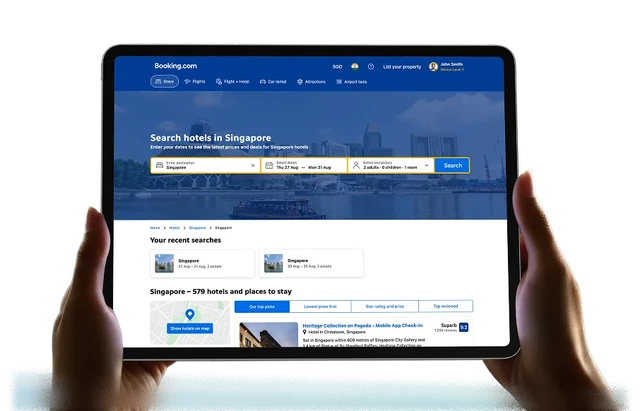
Booking.com: Reducing Refund Support Tickets by 60% With AI-Powered Inventory Sync

We built a real-time inventory synchronization solution for Booking.com Singapore to keep hotel availability and pricing aligned with live data. AI-powered mismatch detection, predictive overbooking prevention, and automated recovery helped streamline booking operations.

Outcomes:

60%Reduction in refund-related support tickets
3XFaster cancellation resolution
15%Increase in repeat bookings
21xreturn on advertising spend
Check Case Study

Industry-Specific Application Modernization Solutions

Modernize the applications behind your critical business workflows without losing the functionality your teams depend on. We help organizations across various industries upgrade legacy systems, connect fragmented applications, and improve the performance, security, and scalability of their operations.

  • Healthcare

    Modernize legacy healthcare applications to connect clinical workflows, improve access to patient information, and support secure data exchange across care teams.
  • Education

    Modernize education platforms to connect learning, student administration, and assessment workflows while making digital learning systems easier to maintain and scale.
  • Retail

    Modernize retail and ecommerce systems to synchronize inventory, orders, customer data, and fulfillment workflows across digital and physical sales channels.

  • Finance

    Modernize financial applications to streamline transaction processing, improve portfolio visibility, and strengthen the reliability and security of data-intensive workflows.

  • Real Estate

    Modernize real estate applications to connect property listings, leasing, tenant management, and portfolio operations while improving visibility across property workflows.
  • Sports

    Modernize sports applications to connect athlete performance data, training operations, live content, and fan engagement across teams, leagues, and sports organizations.
  • Fitness

    Modernize fitness applications to connect member management, workout tracking, wearable data, and subscription workflows across gyms, fitness studios, and digital wellness platforms.

Our Application Modernization Process

We follow a structured application modernization process that connects technical decisions with business priorities. From assessing legacy systems to deployment and optimization, each stage is tailored to your application’s complexity, modernization goals, and operational risks.

  1. Step 1

    Assess the Existing Application

    We evaluate your existing application’s technology stack, codebase, architecture, dependencies, integrations, infrastructure, performance, security, and business workflows. This assessment establishes the current state, identifies technical risks, and highlights the limitations that modernization needs to address.
    Timeline:
    1–2 weeks
    Deliverables:
    Application assessment report, Technical debt and risk analysis, Architecture and dependency review, Modernization opportunities
  2. Step 2

    Define the Modernization Roadmap

    We prioritize improvements based on business value, technical feasibility, budget, and implementation risk. Our team defines the target state, selects the appropriate modernization approach, maps dependencies, and establishes delivery phases and measurable success criteria.
    Timeline:
    1–2 weeks
    Deliverables:
    Modernization roadmap, Recommended modernization approach, Prioritized improvement backlog, Project timeline and success metrics
  3. Step 3

    Design the Target Architecture

    We define the application architecture, technology stack, integration patterns, security controls, deployment model, and data migration requirements. Our architecture decisions account for existing system constraints, business continuity, scalability, and future technical requirements.
    Timeline:
    2–4 weeks
    Deliverables:
    Target architecture design, Technology stack recommendations, Integration and data migration plan, Security and deployment strategy
  4. Step 4

    Modernize in Controlled Phases

    We implement the selected modernization changes through manageable releases or workstreams. Depending on the application and chosen approach, we use code refactoring, infrastructure migration, architectural improvements, automated testing, and staged rollouts to reduce disruption to business operations.
    Timeline:
    4–12 weeks
    Deliverables:
    Modernized application components, Updated code and configurations, Integration and migration progress, Incremental release milestones
  5. Step 5

    Test and Validate the Application

    We validate application functionality, integrations, data integrity, performance, security, and compatibility against agreed acceptance criteria. Regression testing helps confirm that essential business workflows continue to operate as expected while the modernized application meets its technical and operational requirements.
    Timeline:
    2–4 weeks
    Deliverables:
    Functional and regression test results, Performance and security validation reports, Integration and data integrity checks, Defect resolution and release approval
  6. Step 6

    Deploy and Transition to Production

    We plan and execute deployment based on the application’s infrastructure, migration strategy, and operational requirements. Our team prepares release and rollback procedures, validates production readiness, and coordinates the transition to help minimize downtime and protect business-critical operations.
    Timeline:
    1–2 weeks
    Deliverables:
    Deployment and rollback plan, Production release checklist, Environment and configuration validation, Operational handover documentation
  7. Step 7

    Monitor and Optimize Performance

    After deployment, we monitor application stability, performance, security, and system behavior to identify issues and further improvement opportunities. Where included in the engagement, we provide ongoing maintenance, performance optimization, dependency updates, and recommendations to support changing business requirements.
    Timeline:
    2–4 weeks for initial monitoring; ongoing optimization
    Deliverables:
    Application performance insights, Monitoring and issue reports, Optimization recommendations, Ongoing maintenance and improvement plan

What We Assure Throughout Modernization

  • Modernization aligned with business priorities
  • Clear roadmap, milestones, and progress updates
  • Preservation of critical business logic and workflows
  • Security, testing, and risk management throughout delivery
  • Planned deployment with rollback considerations
  • Transparent communication and technical documentation

Modernize Applications with Cloud, AI, and Data Engineering

We use cloud computing, AI, machine learning, and data engineering to modernize legacy applications, improve system performance, strengthen data infrastructure, and prepare existing software for evolving business needs. Our approach helps businesses extend application capabilities, improve scalability, and adopt modern technologies without replacing entire systems unnecessarily.

How Much Do Application Modernization Services Cost?

Application modernization typically costs $10,000–$25,000 for limited upgrades, $25,000–$75,000 for moderately complex modernization, and $75,000–$250,000+ for extensive modernization projects. Enterprise initiatives involving major re-engineering, multiple applications, or strict compliance requirements can exceed $250,000. Key cost drivers include application complexity, legacy code quality, cloud migration, system integrations, data migration, security requirements, and testing.

Modernization Scope
Estimated Cost
Typical Timeline
What It Covers
Limited Modernization
$10,000–$25,000+
1–3 months
Dependency updates, targeted code improvements, minor UI/UX changes, performance optimization, and basic security updates to improve existing application stability and maintainability.
Moderately Complex Modernization
$25,000–$75,000+
3–6 months
Code refactoring, API integration, database improvements, platform upgrades, selected cloud migration tasks, and expanded testing to address technical debt and improve application performance.
Extensive Application Modernization
$75,000–$250,000+
6–12 months
Application re-architecture, cloud migration, major code restructuring, database migration, integration updates, and improvements to scalability, security, and system reliability.
Enterprise-Scale Modernization
$250,000+
12+ months
Large-scale re-engineering, modernization of multiple applications, complex system integrations, extensive data migration, and advanced security or regulatory requirements across enterprise environments.

Why Choose MindInventory for Application Modernization

MindInventory brings 15+ years of software engineering experience to application modernization projects. We help businesses improve existing applications through practical engineering decisions, a clear delivery roadmap, and a focus on long-term maintainability.
  • Modernization Based on Your Existing System

    We assess your application before recommending changes, helping you avoid unnecessary rebuilds and technology choices that do not address the underlying problem.
  • Business Logic and Integrations in Focus

    We account for existing workflows, connected systems, data dependencies, and user needs when planning and implementing modernization work.
  • Security-Conscious Engineering

    We consider security, testing, dependency health, and data integrity throughout the modernization lifecycle, with controls tailored to project requirements.
  • Phased and Collaborative Delivery

    We can structure work into defined phases so stakeholders can review progress, validate functionality, and manage technical and operational risks throughout the project.
  • Built for Continued Evolution

    Our modernization decisions consider how your application will be maintained, integrated, tested, and extended after the initial project is complete.
  • Proven Software Engineering Experience

    MindInventory has delivered 2,700+ projects and worked with 1,800+ clients across 40+ countries. Our broader engineering experience supports projects that require application development, integration, cloud, and modernization expertise.

A Trusted Technology Partner for Business Growth


15+
Years Experience
2700+
Projects Delivered
1800+
Clients Served
300+
In-house Tech Specialists
18+
Industries Served

ISO 9001 ISO 9001:2015
ISO 27001 ISO 27001:2022
SOC 2 Type II SOC 2 Type II
HIPAA Compliance HIPAA Compliance

What Our Clients Have to Say About MindInventory

Behind every testimonial is a business problem solved, a system improved, or a product successfully launched. Here is how our clients describe their experience working with MindInventory.
Quotation mark icon

MindInventory's developers are the best

Our business scaled faster with quicker onboarding and installation processes enabled by MindInventory. Their team demonstrated excellent project management skills, and we were particularly impressed with their developers. Communication was smooth and efficient through virtual meetings.

Play video icon
Dimas Lipiz

Dimas Lipiz

CEO, RouteMe

Quotation mark icon

We were impressed with their excellent project delivery.

The project was delivered on schedule, with additional resources provided at no extra cost. MindInventory ensured strong customer success follow-ups and maintained effective communication throughout. Their dedication and client-focused approach truly set them apart.

Prakash Senghani

Prakash Senghani

CEO, Navatech Group Limited

Quotation mark icon

Strong Collaboration on a Full Trading App

I have had the pleasure of working with MindInventory for more than a year now on our biggest design challenges of creating a full trading app for both web and mobile. From the very start, the collaboration was smooth and effective. The team really understood our vision, and they quickly aligned with our high standards. Together, we designed a platform that feels intuitive, reliable, and engaging for our users. I highly recommend MindInventory to anyone looking for strong design.

Play video icon
Bogdan Ungureanu

Bogdan Ungureanu

Head of UI UX, NAGA.com

Quotation mark icon

Turning a Dream App into Reality with Creativity and Strong Project Planning

A dream was turned into reality with an app that makes it easy for managers and colleagues to share meaningful appreciation at work. The MindInventory team truly listened, understood the vision, and provided flexibility, creativity, and unbeatable project planning. Within months, the app came to life and is now being used and loved.

Play video icon
Erika Migliaccio

Erika Migliaccio

CEO & Founder, Upstream HR

Quotation mark icon

We’re delighted to have them as our partners because they’re phenomenal.

Cost-effective services from MindInventory made it easier to scale the business efficiently. The team maintains a timely and communicative process using tools like Jira and Slack. Their reliability and ability to quickly find the right resources are highly appreciated.

Play video icon
Dmitiry Richard Starson

Dmitiry Richard Starson

CEO, Passio.ai

Frequently Asked Questions

Find answers to common questions about application modernization services, approaches, costs, timelines, and best practices for modernizing legacy applications.

What are application modernization services?

Application modernization services upgrade existing applications through code refactoring, technology upgrades, architecture improvements, cloud migration, integration, and security enhancements to improve performance, scalability, and maintainability.

When should a business modernize a legacy application?

A business should modernize a legacy application when outdated technology, high maintenance costs, poor performance, security risks, or limited integration capabilities affect business operations and growth. Modernization helps address these limitations and align existing software with evolving business needs.

What is the difference between application modernization and application migration?

Application migration moves an application or its data to another environment, while application modernization improves the application’s technology, code, architecture, security, or functionality. Modernization may include migration as one of its steps, but it can also involve improvements without changing the hosting environment.

What are the main approaches to application modernization?

The main application modernization approaches are rehosting, replatforming, refactoring, re-architecting, and rebuilding or replacing an application. The right approach depends on business goals, technical limitations, budget, and long-term requirements. Some applications need only targeted improvements, while others require significant architectural changes.

Can legacy applications be modernized without rebuilding them?

Yes. Legacy applications can often be modernized through code refactoring, framework upgrades, API integration, performance optimization, and selective architecture improvements. A complete rebuild is necessary only when incremental changes are impractical, too costly, or insufficient to meet future requirements.

Can application modernization be completed without downtime?

Application modernization can minimize downtime through phased deployment, parallel operation, staged migration, and planned cutovers. Zero-downtime modernization depends on the application’s architecture, data requirements, integrations, and business continuity needs. The deployment strategy should be defined before implementation begins.

How much do application modernization services cost?

Application modernization services typically cost $10,000–$25,000 for limited upgrades, $25,000–$75,000 for moderate modernization, and $75,000–$250,000+ for extensive projects. Enterprise-scale modernization may exceed $250,000, depending on application complexity, integrations, migration requirements, security, and testing scope.

Looking for other Services?

Explore our other related services to enhance the performance of your digital product.
Explore All Services

Key Insights from Our Application Development Experts

Explore our featured technology insights on news boards that are popular among our readers.