Healthcare Mobile App Development

Built for Patients. Trusted by Clinicians. Compliant from Day One.

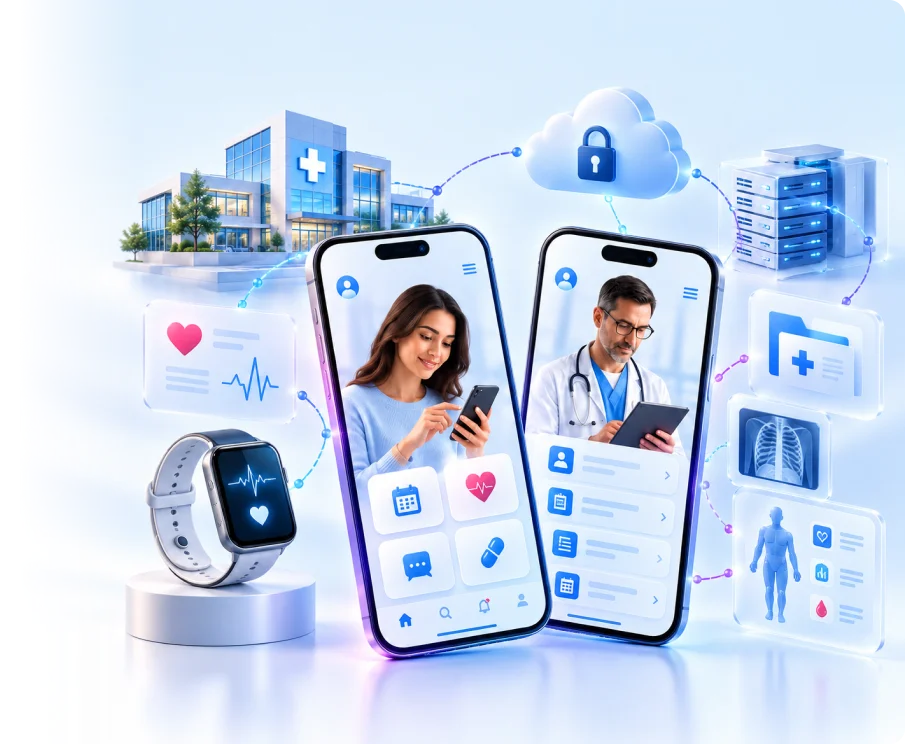
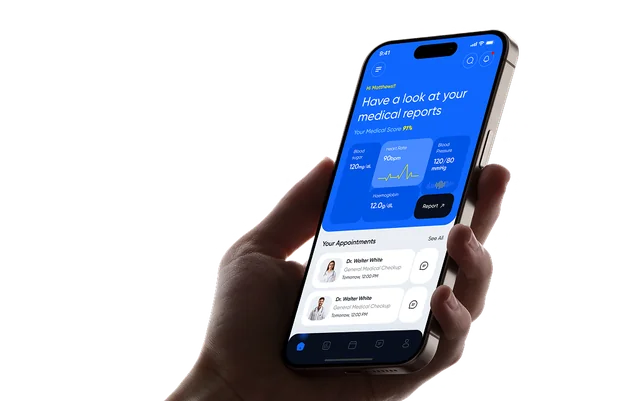
Put care in your patients' hands and clinical tools in your team's pockets. At MindInventory, we provide HIPAA compliant mobile app development for iOS and Android with EHR connectivity, wearable integration and secure data handling designed in from the first sprint. A focused MVP can reach the app store in three months, and one healthcare app we built has passed 1M+ downloads with a 90% positive user acceptance rate.

Reviewed by Last reviewed: September 2026
Parth Pandya
Parth Pandya Senior Project Manager
Nihir Patel
Nihir Patel Healthcare Technology Expert
Healthcare Mobile App Development
Trusted by Global Healthcare Services Providers, Medical Device Manufacturers, and Clinicians
Sully.ai
Passio
OraQ
SensorBio
Claim Clarity
Shoorah
1M+

Downloads on a healthcare app we built

400M+

Hours of health data captured through an app we developed

120,000+

Wellness conversations delivered through a mobile platform

15+ YRS

Of software engineering expertise

Healthcare Mobile App Development Services We Offer

Whether you’re improving patient access, giving clinicians better tools, or connecting health data across devices, we build healthcare mobile apps around the workflow and outcomes you need.

Check Icon

Patient App Development

Give patients a simpler way to manage care with appointment booking, medical records, secure messaging, medication reminders, test results and payments in one place.
Check Icon

Clinician and Provider App Development

Put the information clinicians need within reach, with schedules, patient history, clinical notes, prescriptions and secure team communication designed for use between appointments.
Check Icon

Wearable And IoT App Development

Turn data from medical devices, fitness trackers, and connected sensors into useful health experiences, with integrations including Apple HealthKit and Google Health Connect.
Check Icon

Telemedicine App Development

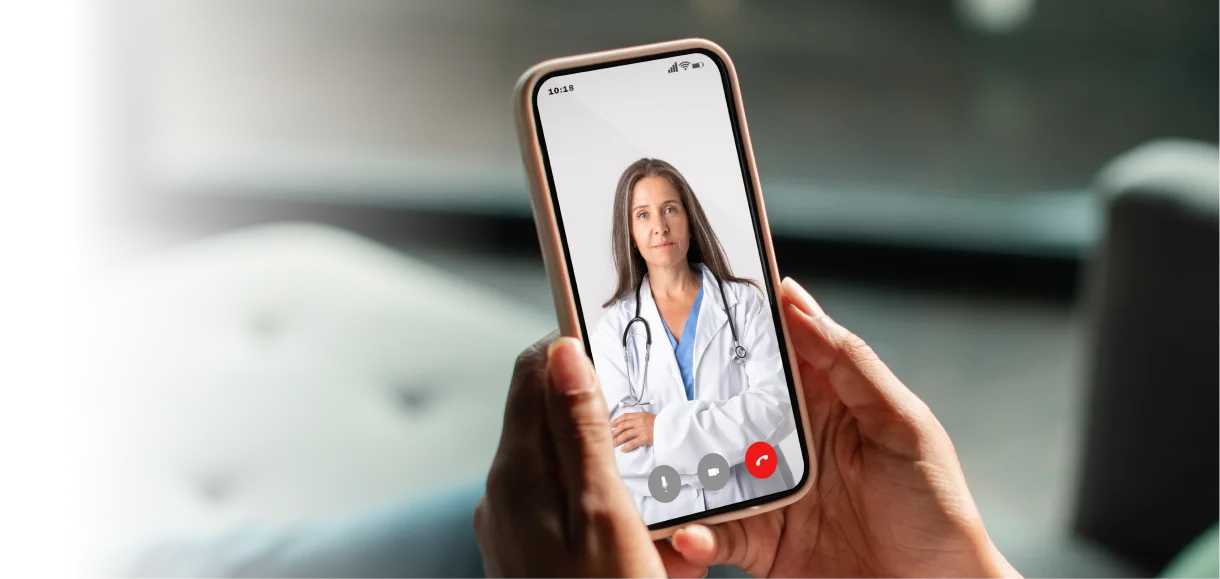
Make virtual care easier to access with real-time video consultations, digital waiting rooms, e-prescribing and EHR write-back built into the patient and provider experience.
Check Icon

Mental Health and Wellness App Development

Create private, engaging digital experiences for mood tracking, guided programs and ongoing support, designed with the privacy considerations these healthcare use cases require.
Check Icon

Healthcare App Modernization

Bring an aging healthcare app up to current expectations by addressing outdated technology, app store requirements, security standards, performance and user experience.
Dark navy background with a soft blue glow

Healthcare Apps We Build and What Goes Into Them

The Apps We Build Most Often

[ 1 ]

Patient Engagement and Self-Service

Booking, records access, prescription refills and reminders, reducing routine calls to your front desk.

[ 2 ]

Chronic Condition Management

Daily tracking for diabetes, hypertension and heart conditions, shared directly with the care team.

[ 3 ]

Medication Adherence

Reminders, refill alerts and adherence tracking clinicians can review.

[ 4 ]

Remote Patient Monitoring

Vitals collected from connected devices and sent to a clinical dashboard.

[ 5 ]

Mental Health and Therapy Support

Between-session support, mood tracking and guided programmes with escalation paths for users in distress.

[ 6 ]

Fitness and Preventive Wellness

Activity, sleep and nutrition tracking, often tied to employer or insurer programmes.

[ 7 ]

Clinical Reference and Workflow Tools

Drug references, clinical calculators, rounding tools and secure messaging for clinical teams.

[ 8 ]

Home Healthcare and Caregiver Apps

Visit scheduling, care plans, task tracking and family access.

Key Features We Build Into Each Healthcare App Module

  • Patient App icon

    Patient App

    Profiles, appointments, video consultations, secure chat, medical records, prescriptions, medication reminders, payments, insurance, wearable sync, and family profiles.

  • Clinician App icon

    Clinician App

    Daily schedules, patient history, clinical notes, prescriptions, lab and imaging orders, secure team messaging, tasks, and availability management.

  • Admin Panel icon

    Admin Panel

    User management, clinician onboarding, credential tracking, appointment oversight, billing, reporting, and compliance logs.

Not Sure Which Features to Build First?

Share your care model and we'll help you decide what belongs in version one and what can wait.

Healthcare specialist reviewing medical data

Why Healthcare Mobile App Development Matters and What It Delivers

Your patients expect to manage their health the way they manage everything else, from their phone. MindInventory builds healthcare mobile experiences that connect patient engagement with clinical workflows, helping organizations make care more accessible while reducing avoidable administrative work.

Check Icon
Better patient engagement with appointments, records and messages available without a phone call.
Check Icon
Fewer missed appointments through reminders and easy rescheduling.
Check Icon
Continuous health data collected from wearables and connected devices between visits.
Check Icon
Less admin for staff as routine requests move from the front desk into the app.
Check Icon
Complete records when app data flows into your EHR instead of sitting in a separate system.

How We Helped Our Clients Build Healthcare Mobile Apps

BioStrap: Mobile App for Clinical-Grade Wearable Health Monitoring

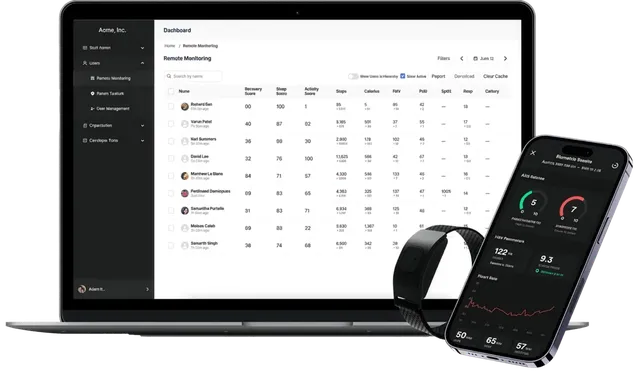
MindInventory developed BioStrap's mobile app alongside its cloud biosignal pipeline and HIPAA-compliant dashboard, capturing raw PPG, accelerometer and gyroscope data from a wearable device and passing it to the cloud without losing detail. The app supports both consumer users and research teams running clinical studies.

Outcomes:

400M+ hours of biosignal data captured
Used across 100 clinical studies
Adopted by Stanford, UCLA, NASA, Pfizer and the NIH
Read the case study

Shoorah: Mental Wellness App with AI-Guided Support

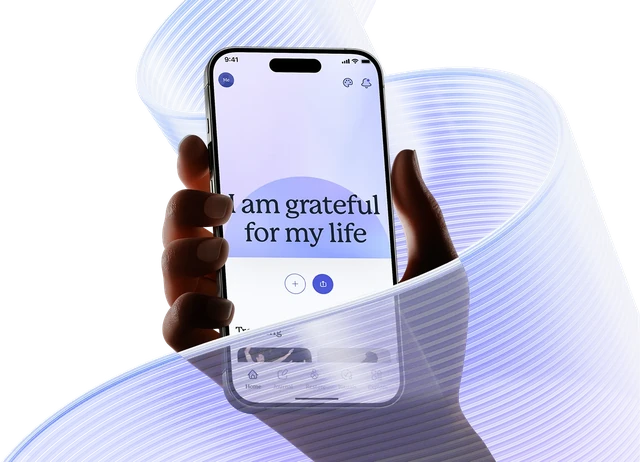
MindInventory built Shoorah's mobile wellness platform, giving users daily mood tracking, guided sessions and AI-supported conversations between therapy appointments. The app was designed for a sensitive category where tone, privacy and escalation paths matter as much as features.

Outcomes:

120,000+ AI wellness conversations delivered
42% of users still active after 30 days
Contributed to a £7M seed round
Read the case study

Telehealth Platform for Virtual Care, with E-Prescribing and EHR Integration

MindInventory built a telehealth platform that connects patients with clinicians through real-time video, with e-prescribing and EHR integration. Consultations and prescriptions are synced to the patient record automatically, so patients no longer have to wait long between their symptoms and clinical advice.

Outcomes:

1M+ downloads
90% positive user acceptance rate
Real-time video, e-prescribing and EHR integration in one platform
Read the Case Study

Want Results Like These for Your Healthcare App?

Tell us what you want to improve patient engagement, clinical workflows, or remote care. We’ll map the right app, integrations, and technical approach.

Healthcare specialist reviewing medical data

AI Capabilities We Engineer into Healthcare Apps

Our healthcare engineering teams design AI around clinical workflows, data, risk, and human oversight as part of our custom healthcare software development services.

Symptom Guidance and Triage

Our engineers build symptom guidance around defined clinical pathways, with escalation to clinicians, urgent care, or emergency support when required.

Clinical Documentation

We engineer AI workflows that convert consultations into structured documentation for clinician review, as demonstrated through MindInventory’s work with Sully.ai and 12.5M+ minutes automated.

Health Insights from Device Data

Our team connects healthcare apps with wearables to identify trends across vitals, sleep, and activity, supporting review without presenting AI outputs as diagnoses.

Personalized Care Programmes

We use patient data, engagement, and progress to personalize reminders, educational content, check-ins, and care goals while maintaining defined clinical pathways.

Risk Scoring

Our engineers incorporate patient and clinical data into risk-scoring workflows, helping identify higher-risk patients and prioritize follow-up, including MindInventory’s work for OraQ AI.

Native or Cross-platform: Which Should You Choose?

Both work well for healthcare apps, and the right choice depends on what your app does.
Cross-platform (React Native, Flutter)
Native (Swift, Kotlin)
Best for
Patient apps, booking, records, messaging, telehealth
Apps using device sensors, Bluetooth medical devices or background health data
Speed to market
Faster, one codebase for iOS and Android
Slower, two codebases
Cost
Lower for the same feature set
Higher, but better hardware control
Trade-off
Some limits on deep device features
More time and budget required
What we usually recommend. Start cross-platform for patient-facing apps, and go native when the app depends on continuous sensor data, Bluetooth medical devices or background health tracking. We make this recommendation during discovery, based on what your app actually needs to do.

Getting Through App Store Review with a Healthcare App

Apple and Google apply extra scrutiny to health apps, and rejections are common for avoidable reasons.

At MindInventory, we prepare app store documentation alongside development, including privacy disclosures, data use descriptions and health data permissions, so review doesn’t hold up your launch.

What Reviewers Check Most Often

  • Whether health claims match what the app actually does
  • How the app handles health data, and whether the privacy policy explains it clearly
  • Whether HealthKit or Health Connect data is used only for stated purposes
  • Whether medical content is backed by a qualified source
  • Whether the app needs regulatory clearance for what it claims to do

How Fast Can You Launch a Healthcare App?

A focused healthcare MVP can reach the app how MindInventory built Sully AI’s multi-Agent healthcare workforce for health systems store in three months. That is achievable, and it depends entirely on what goes into version one.

What fits in a three-month build

A three-month HIPAA-Compliant App Development build can cover patient registration and profiles, appointment booking, secure messaging, medical records access, notifications, reminders, payments, and security built in from the start. Choose native or cross-platform development based on your feature set and requirements.

What extends the timeline

Several integrations and specialized capabilities can extend the timeline. EHR integration services usually add four to eight weeks, depending on the system’s approval process. Healthcare AI development adds model development and clinical validation, while telehealth app development can require additional work for secure video, scheduling, and e-prescribing workflows.

How we keep to three months

We agree the version one scope in week one and hold it. Anything that doesn’t change whether a patient completes their first visit goes into version two. We also start app store documentation during development instead of after it, since review is where most launches slip.

Our Healthcare App Development Process

Step 1

Discovery and User Research

We define who uses the app, what they need from it, what data it handles and which systems it connects to.
Step 2

Compliance and Data Planning

We map where health data is stored and transmitted, and design encryption, access control and consent flows around it.
Step 3

UX and Prototype

We design screens for real users, including patients who may be older or less comfortable with technology, and test the flow before development begins.
Step 4

Development in Two-Week Cycles

We build in short cycles with working software at the end of each one, so you can review progress and adjust.
Step 5

Testing on Real Devices

We test on older phones, weak connections and different screen sizes, alongside security and compliance testing.
Step 6

App Store Submission and Launch

We prepare the listing, privacy disclosures and health data declarations, then support you through review.
Step 7

Post-launch Support

We handle OS updates, security patches, app store policy changes and new features after launch.

How We Build Compliance Into Every Healthcare App

How we handle HIPAA compliance
  • Signed BAA before we access any patient data
  • Encryption of health data on the device and in transit
  • Secure authentication with biometrics or multi-factor login
  • Automatic logout after inactivity
  • Audit logging of access to patient records
  • Clear consent flows for health data collection and sharing
  • Anonymised or synthetic data in all test environments
  • HIPAA and HITECH
  • GDPR
  • CCPA
  • 42 CFR Part 2 for behavioural health
  • PIPEDA for Canadian users
  • EU MDR where an app qualifies as a medical device in Europe
  • FDA requirements where an app qualifies as a medical device in the US
  • Apple App Store and Google Play health data policies
  • WCAG 2.1 AA for accessibility

How Much Does Healthcare Mobile App Development Cost?

App Type
Typical Cost
Typical Timeline
Patient engagement app (booking, records, reminders)
$40,000 – $80,000
3 – 4 months
Telemedicine app with video consultations
$50,000 – $90,000 single platform
3 – 5 months
Mental health and wellness app
$60,000 – $130,000
4 – 6 months
Remote patient monitoring app with device sync
$80,000 – $150,000
5 – 8 months
Clinician and provider app
$70,000 – $140,000
4 – 7 months
Full platform (patient app, clinician app, admin panel)
$150,000 – $300,000+
6 – 10 months
AI-powered features (symptom checking, clinical support)
$150,000 – $300,000+
Scope dependent

What Gets Added on Top

Item

Typical Cost

EHR integration

$20,000 – $50,000 per system

HIPAA-compliant architecture, designed in

Adds 20 – 30% to the build

HIPAA security testing and audit documentation

$15,000 – $40,000

One Cost Most Teams Don't Expect

Every third-party service that touches patient data needs BAA coverage. That narrows your options, and the HIPAA-eligible version of a service often costs more than the standard one. Analytics, messaging, error monitoring and customer support tools are the usual examples, and we price them properly during discovery instead of leaving them as a surprise.

What It Costs to Run

Ongoing maintenance typically costs 15 to 25 percent of the build each year, covering iOS and Android updates, security patches, app store policy changes and new features. Apps connecting to wearables or EHRs need additional work when those platforms update their APIs.

Want a Cost Estimate for Your Healthcare App?

Share your feature list and the systems you need to connect to, and we'll send an indicative cost and timeline within 24 hours.

Healthcare specialist reviewing medical data

Why Choose MindInventory for Healthcare Mobile App Development

15+
Years in healthcare software

engineering, building secure healthcare platforms.

ISO Certified

ISO 9001:2015 and ISO 27001:2013 certified.

65+
Healthcare platforms

delivered end to end across providers, startups, and enterprises globally.

Healthcare apps in production with 1M+ downloads and 90% positive user acceptance.
A focused healthcare MVP delivered in as little as three months, with app store submission included.
Experience with wearables, medical devices, HealthKit and Health Connect.
App store submission handled as part of the project, not left to you.
You own everything we build, including source code and documentation.

How You Can Work With Us

A Dedicated Team Inside Yours

Named mobile and healthcare engineers you interview and approve, working in your tools and sprints and reporting to your leads.

A Defined Project We Deliver End to End

A patient app, a clinician app or a complete platform, owned by our team with a dedicated project manager.

In both cases, you own the source code and documentation when the work is complete.

Technology Stack We Use for Healthcare Mobile App Development

Cross-platform

React Native
Flutter

Native

Swift and SwiftUI for iOS
Kotlin and Jetpack Compose for Android

Health Data Platforms

Apple HealthKit
Google Health Connect
Fitbit and Withings APIs

Device Connectivity

Bluetooth LE
device SDKs
cellular gateways

EHR Integration

Epic
Oracle Health (Cerner)
athenahealth
via HL7 v2, FHIR R4 and SMART on FHIR

Back-end

Python
Node.js
PHP
Golang

Cloud (under BAA)

AWS
Microsoft Azure
Google Cloud Platform

Video and Messaging

WebRTC
Twilio
Agora
HIPAA-eligible SMS providers

Analytics and Monitoring

Firebase
Datadog
privacy-safe analytics configurations

FREQUENTLY ASKED QUESTIONS

An MVP with core features on one platform costs $40,000 to $80,000. A patient app for iOS and Android costs $70,000 to $150,000. A full platform with a clinician app and admin panel costs $150,000 to $300,000 or more. EHR integration adds $20,000 to $50,000. At MindInventory, we share a fixed estimate after a short discovery phase.

Three to four months for an MVP, four to six months for a patient app across both platforms, and six to ten months for a full platform. EHR integration and app store review can add time, so we plan for both from the start.

Yes, for a focused MVP. Registration, appointment booking, secure messaging, records access, reminders and payments, with HIPAA-compliant architecture, can reach the app store in three months. EHR integration, e-prescribing, device connectivity and AI features each extend that, so we agree what belongs in version one during the first week and hold that scope.

If it collects, stores or transmits patient health data for healthcare providers in the United States, yes. This applies whether you are a hospital, a startup or a health tech company. Fitness apps that don’t connect to healthcare providers may fall outside HIPAA, but often still fall under GDPR or app store health data rules.

Cross-platform works well for patient apps covering booking, records, messaging and telehealth, and reaches both platforms faster. Native is the better choice when your app depends on continuous sensor data, Bluetooth medical devices or background health tracking.

Yes. We connect healthcare apps to Epic, Oracle Health, athenahealth and other systems using HL7 and FHIR, so appointments, records and results stay in sync with the patient chart rather than living in a separate app.

Yes. We integrate Apple HealthKit, Google Health Connect and device SDKs for Bluetooth medical devices such as blood pressure monitors, glucometers and pulse oximeters. For billable remote monitoring, data must come from FDA-cleared devices, which we plan for during discovery.

Both apply extra scrutiny to health apps. Rejections usually come from health claims that don’t match what the app does, unclear privacy policies or misuse of health data permissions. We prepare this documentation during development and support you through review.

It depends on what it does. Apps that track, record or remind generally fall outside FDA regulation. Apps that diagnose, recommend treatment or analyse medical data to guide clinical decisions may be regulated as medical devices. This needs deciding early, because it changes how the app is built.

With larger touch targets, clear language, simple navigation, strong contrast and screens that work on older devices and weaker connections. We also support family and carer access, since many patients rely on someone else to help manage their care.

Apple and Google release updates every year, app store policies change, and connected platforms update their APIs. We provide ongoing support covering updates, security patches and new features.

Yes. We review the code, security and compliance position, then either fix what exists or rebuild the parts that can’t be kept. Older apps often fail current app store requirements or security standards.

Healthcare Insights From Our Engineering Team

Written by the people doing the work, for the questions that come up before a project starts.
healthcare software development guide blog

A Comprehensive Guide to Healthcare Software Development

The healthcare industry is facing multiple challenges, like managing patient data, streamlining workflows, and ensuring compliance with ever-changing regulations. If not addressed, these medical errors can have serious consequences, falling…

post
mvp healthcare

Enterprise Healthcare MVP Development:  CIO’s Guide for Digital Health Products

Got a unique healthcare software idea around a workflow problem you’ve watched go unsolved for too long? You might be knowing the problem and the user, but now you’re looking…

post
mhealth app development

mHealth App Development: A Detailed Guide for Healthcare Providers

Healthcare delivery has shifted. Patients now expect the same on-demand convenience from their care providers that they get from banking or ecommerce. In healthcare, such demands include virtual consultations, digital…

post

What Our Clients Have to Say About MindInventory

Behind every testimonial is a business problem solved, a system improved, or a product successfully launched. Here is how our clients describe their experience working with MindInventory.
Dimas Lipiz
Dimas Lipiz

CEO, RouteMe

MindInventory's developers are the best

Our business scaled faster with quicker onboarding and installation processes enabled by MindInventory. Their team demonstrated excellent project management skills, and we were particularly impressed with their developers. Communication was smooth and efficient through virtual meetings.

Prakash Senghani
Prakash Senghani

CEO, Navatech Group Limited

We were impressed with their excellent project delivery.

The project was delivered on schedule, with additional resources provided at no extra cost. MindInventory ensured strong customer success follow-ups and maintained effective communication throughout. Their dedication and client-focused approach truly set them apart.

Bogdan Ungureanu
Bogdan Ungureanu

Head of UI UX, NAGA.com

Strong Collaboration on a Full Trading App

I have had the pleasure of working with MindInventory for more than a year now on our biggest design challenges of creating a full trading app for both web and mobile. From the very start, the collaboration was smooth and effective. The team really understood our vision, and they quickly aligned with our high standards. Together, we designed a platform that feels intuitive, reliable, and engaging for our users. I highly recommend MindInventory to anyone looking for strong design.

Technology Partnerships That Strengthen Delivery

Ready to Build Your Healthcare App?

Talk to our healthcare app experts about who will use your app, what data it handles and which systems it connects to. We'll help you build something patients use and clinicians trust.

Healthcare specialist reviewing medical data