Safety Monitoring AI
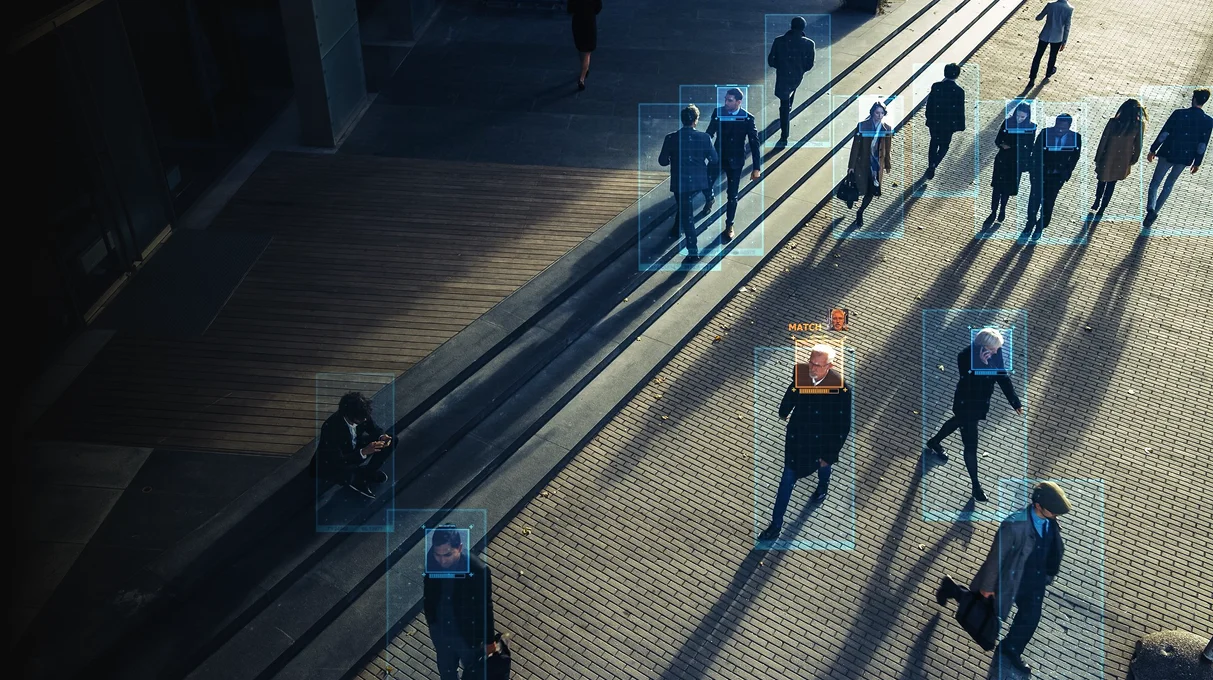
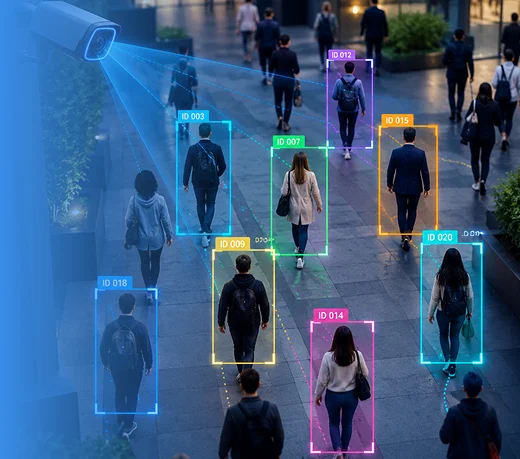
Our experts build safety monitoring AI to detect events that can lead to incidents, including missing PPE, restricted-zone entry, vehicles too close to workers, falls, and smoke. We configure each detection rule around your safety policies and camera positions, then send supervisors an alert within seconds with the relevant clip attached.

Activity Recognition
Our approach to activity recognition focuses on sequences, not single frames such as a skipped assembly step, a pallet loaded out of order, or a person remaining still for too long. We train these models on clips from your own operations, helping the system learn what correct work looks like at your site.

Multi-Camera Analysis
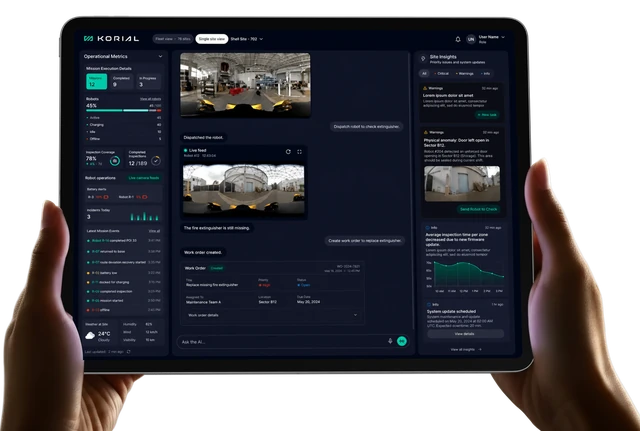
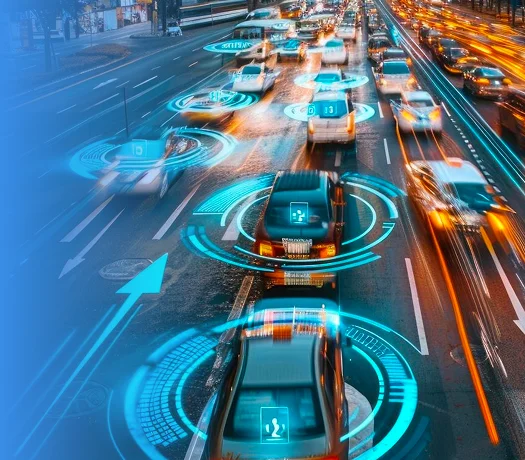
We connect fixed cameras, drones, and robots to track an event across different views when one camera cannot capture the full story. Our system follows vehicles and objects between cameras and gives operators a single timeline for each event, as we did for Korial’s mixed fleets.

Equipment and Anomaly Monitoring
Our experts build video and thermal analytics to monitor machines as well as people, detecting leaks, hotspots, jams, and abnormal movement against each asset’s normal behavior. When an issue is flagged, the system attaches the relevant footage so technicians can review and confirm it.

Video Authenticity and Media Analysis
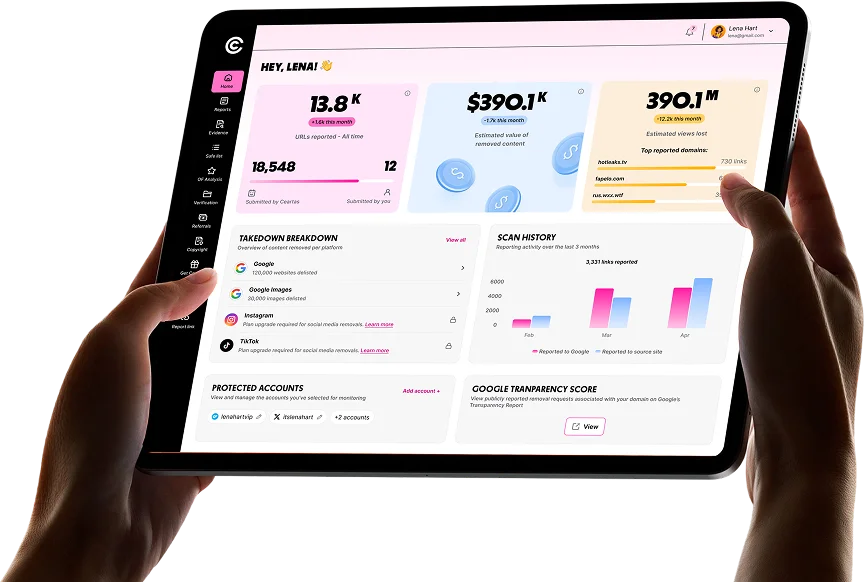
We build video analysis systems that check footage for signs of manipulation over time, such as lips falling out of sync with speech, suspected deepfakes, and reused footage. The system flags suspicious content for human review, as we did for Ceartas’s platform.

Video Search and Event Review
Our approach makes recorded footage searchable instead of leaving teams to watch hours of video manually. We index events, objects, and activities, then use vision-language models to enable plain-language searches for example, finding every forklift near the loading bay last Tuesday.
How We Scope a Video Analytics Request
We first classify the request into one of six event types because that choice affects the cameras, frame strategy, and overall cost. Before quoting, we define what the system needs to detect and design the analytics around what happened, rather than identifying who was there.